
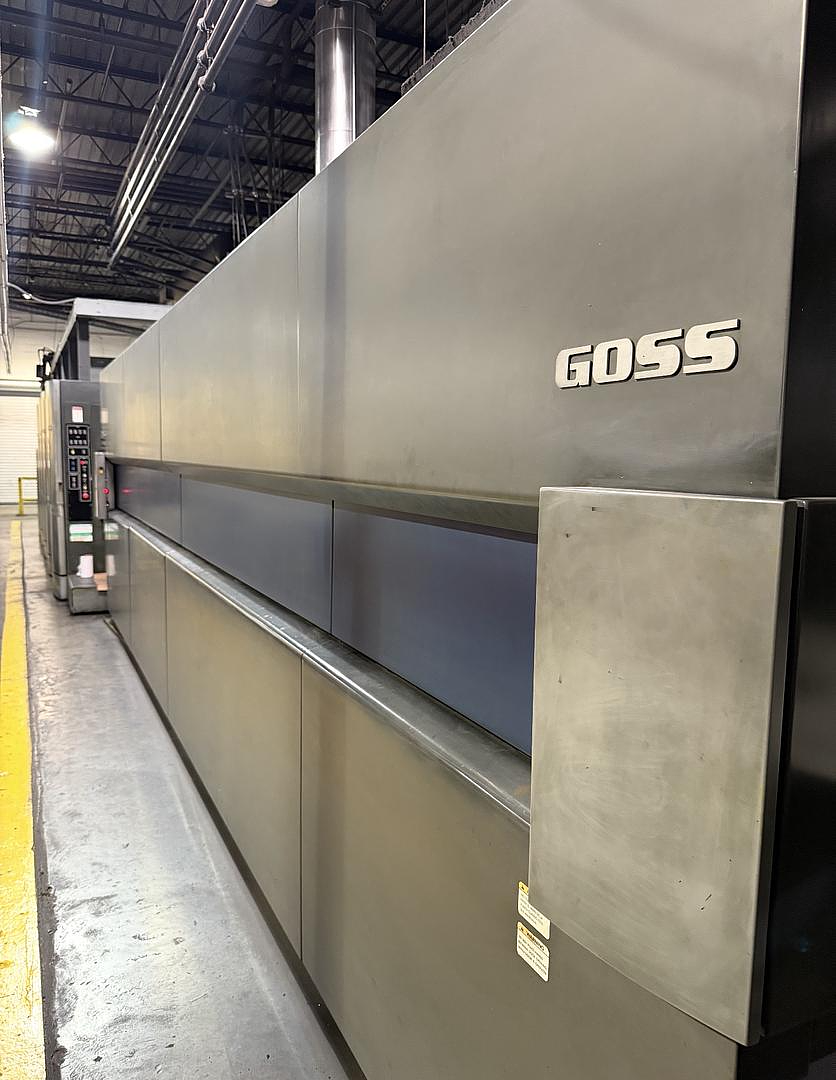
Why Customers Should Buy a Commercial Printing Press—and the Web Press Parts to Match
Investing in a commercial printing press is one of the most important decisions a print business can make. Whether you operate a growing print shop, manage a high-volume production facility, or are expanding into new markets, the right press can increase capacity, improve consistency, and strengthen profitability.
However, the most successful press investments share a common trait: they are paired with a smart, proactive plan for web press parts and printing press parts. Buying the press is only half the equation. Securing the correct parts—along with a reliable supply chain and maintenance strategy—protects uptime, preserves quality, and reduces the real cost of ownership over the life of the equipment.
The Business Case for Buying a Commercial Printing Press
A commercial printing press is more than a piece of machinery; it is a production engine that shapes what you can sell, how quickly you can deliver, and the quality you can guarantee. When press performance aligns with your customer demands, the benefits compound across operations.
Higher throughput and predictable production
Modern commercial presses are designed for speed, consistency, and repeatability. Increased throughput means you can take on larger contracts, hit tighter deadlines, and run longer jobs with fewer interruptions. For web-based operations, the advantages are especially strong when paired with the right web press parts that support stable tension, consistent ink delivery, and accurate registration.
Greater quality control and brand consistency
Quality is a differentiator in competitive print markets such as packaging, direct mail, publishing, and commercial collateral. A well-selected press enables improved color control, sharper images, and more consistent results across runs. The right consumable and mechanical components—rollers, blankets, bearings, and filtration—help maintain that quality over time.
New revenue opportunities
Adding or upgrading a press can open doors to new products and higher-margin work: expanded substrate capabilities, tighter tolerances, or more specialized finishing workflows. Businesses that plan for long-term maintenance and parts availability are better positioned to confidently quote jobs and meet service-level expectations.
Why Buying Web Press Parts Alongside the Press Protects Your Investment
Even the best press will underperform if it cannot be maintained quickly and correctly. Parts planning is not simply a maintenance issue; it is a revenue and customer-retention issue. When you purchase web press parts and critical spares at the same time as your press, you reduce operational risk and improve financial predictability.
Uptime is profitability
Press downtime is costly: missed ship dates, overtime labor, wasted substrate, and customer dissatisfaction. In many operations, a single unplanned stoppage can cost more than a month of planned spare parts. Keeping essential web press replacement parts on hand can drastically cut recovery time when normal wear items fail.
Parts availability is not guaranteed when you need it most
Lead times fluctuate, models are discontinued, and specialty components may be harder to source than expected. Planning ahead reduces exposure to supply chain delays and helps ensure you can keep production moving, even during peak demand seasons.
Consistent parts = consistent print quality
Worn or mismatched parts often show up first in print defects: ghosting, uneven ink density, registration drift, web breaks, or inconsistent impression. When you maintain a stable parts program—whether OEM, aftermarket, or a strategic mix—you maintain stable output, reduce waste, and protect customer satisfaction.
Lower total cost of ownership (TCO)
A press purchase is a capital expense, but printing press parts drive operating cost and longevity. Proactive replacement schedules and planned spares help avoid emergency purchases, expedited shipping, and collateral damage to adjacent components.
Essential Web Press Parts That Keep Production Running
While every press configuration is different, high-performing web press operations typically plan around a set of core components that influence uptime, web handling, ink transfer, and finishing accuracy. Consider evaluating these categories early in the buying process so your parts strategy matches your press and workload.
- Rollers and roller covers: Key for stable ink transfer and consistent color density.
- Bearings and seals: Critical for smooth rotation, reduced vibration, and dependable performance under high speed.
- Blankets and related hardware: Central to image transfer quality, impression stability, and reduced defect rates.
- Web handling components: Including guide systems, tension components, and wear surfaces that reduce breaks and tracking issues.
- Gears, couplings, and drive components: Important for accurate registration and reliable mechanical timing.
- Filters, pumps, and lubrication components: Protects sensitive systems and extends the life of high-value assemblies.
- Electrical and sensor components: Supports diagnostics, automation, and stable control under production demands.
Not every facility needs the same spares inventory. The right approach depends on run length, speed, job change frequency, substrate types, and your tolerance for downtime. The key is to align parts planning with the realities of your production schedule.
Why “Press + Parts” Purchasing
Buying a commercial press and the web press parts to support it is not overbuying; it is operational planning. Bundling these decisions creates measurable advantages:
Faster commissioning and smoother ramp-up
Start-up periods can surface predictable wear items, installation adjustments, and calibration needs. Having critical spares available reduces the time it takes to reach stable, high-quality output and helps operators stay focused on production—not parts sourcing.
Better forecasting and fewer surprises
Parts planning makes operating costs more predictable. When procurement and maintenance work together early, you can build a clear preventive maintenance schedule and budget that supports reliable monthly output.
Stronger vendor accountability
When you source the press and parts through a trusted channel, you simplify support. Clear parts documentation, correct fitment, and consistent quality standards reduce troubleshooting time and prevent costly ordering mistakes.
How to Choose the Right Web Press Parts Supplier
The supplier you choose for printing press parts can influence not only cost, but also press performance and response time during urgent situations. When evaluating suppliers, look for operational fit—not just pricing.
- Proven compatibility: Accurate cross-references, fitment guidance, and experience with your press model.
- Quality standards: Clear specifications and consistent manufacturing or sourcing practices.
- Inventory depth: The ability to ship common web press parts quickly, especially high-wear items.
- Technical support: People who can help you diagnose issues and recommend the correct replacement parts.
- Flexible options: Access to OEM parts, aftermarket parts, and cost-effective alternatives where appropriate.
If your business runs multiple shifts or supports time-sensitive customer programs, supplier responsiveness can be as important as part price.
Conclusion: Buy the Press, Plan the Parts, Protect the Profit
A commercial printing press can transform production capacity and revenue potential—but only if it stays running, produces consistent quality, and can be serviced without costly delays. Purchasing the press and securing the right web press parts at the same time is a practical, profit-focused strategy that reduces downtime, improves output stability, and lowers total cost of ownership.
If you are evaluating a press purchase or planning an upgrade, build your decision around the complete production system: the press, the parts, the maintenance plan, and the support network that keeps your operation performing at its best.